The world's first AI robot app

PROJECT OVERVIEW

PROJECT OVERVIEW

MakerMods is the robots invention company.


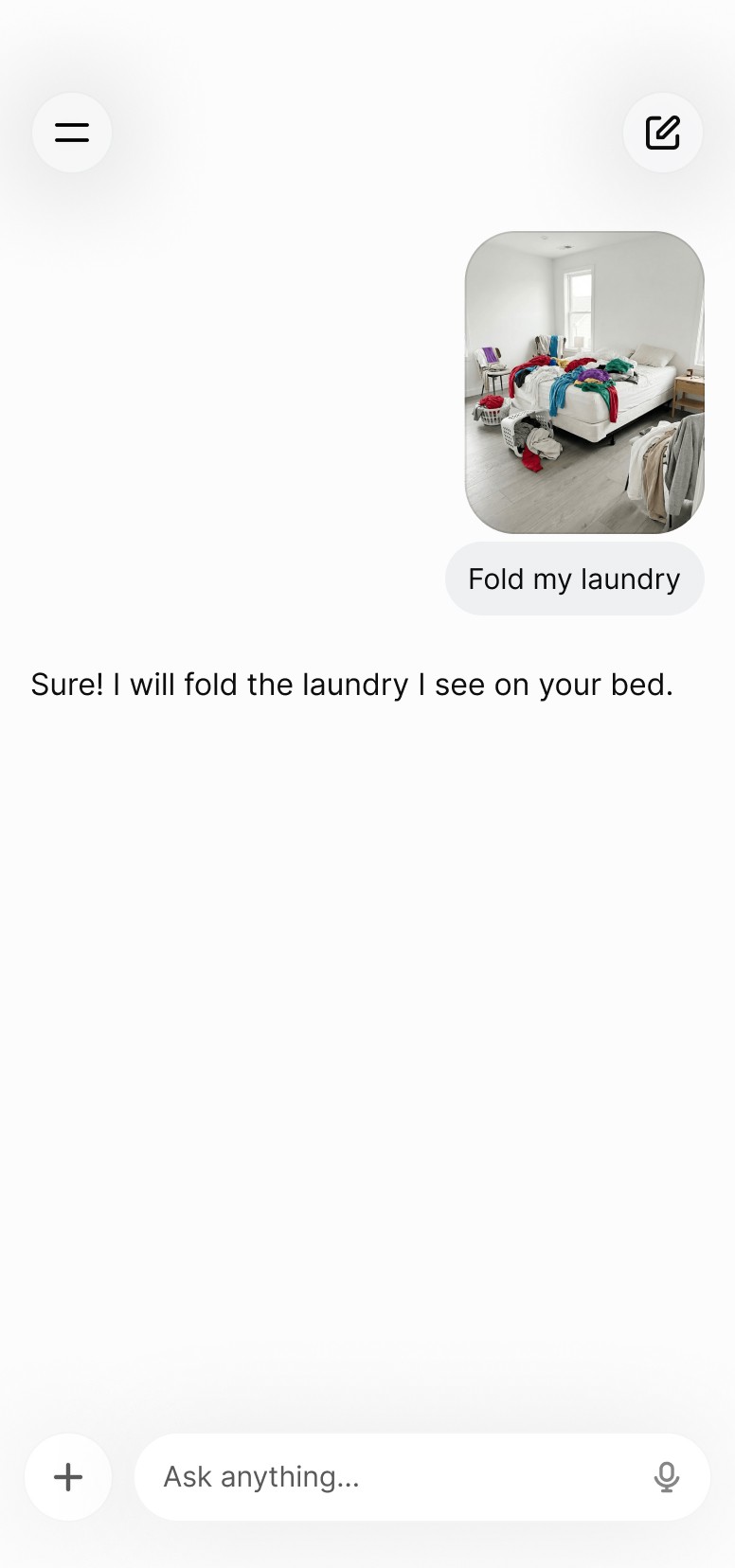
They create new robots and use an app to control robots. It's as easy as saying "Fold my laundry" and watching it happen.


I joined the team building the world's first app for AI robots. We created novel interfaces that react to robot actions in real time. I helped raise a venture-backed pre-seed round.

MakerMods is the robots invention company.


They create new robots and use an app to control robots. It's as easy as saying "Fold my laundry" and watching it happen.


I joined the team building the world's first app for AI robots. We created novel interfaces that react to robot actions in real time. I helped raise a venture-backed pre-seed round.

MY ROLE

MY ROLE

Product Manager

TEAM

TEAM

Engineering

Data

Marketing

Engineering

Data

Marketing

DURATION

DURATION

Sep 2025 – Present

Sep 2025 – Present

USER PROBLEMS

USER PROBLEMS

Robots should be easy to use

Robots should be easy to use

I don't want to open my computer just to use my $1000 robot

It's too much setup. I want it to work out of the box

I want my robot to do things on a schedule

I don't know how to code - there's no way I can DIY

My computer broke, so what… my robot is just a hunk of junk?

I don't have time to learn how robots work. DO IT FOR ME!

I shouldn't have to type anything. I want to control it with my voice

  1. "I paste the job into ChatGPT and still have to apply myself."

  2. "LinkedIn is noisy. Applying on Indeed takes forever."

  3. "I burn out scrolling ghost jobs after a few minutes."

  4. "Switching between apps wastes my time."

  5. "I only apply the week I actually need a job."

  6. "I hate typing, I just want to click a single button."

  7. "These tools help me look busy, not get hired."

  8. "I don’t know if the AI answer is lying to me."

  9. "AI talks like I'm a genius but I'm just a normal person."

  10. "I don't have time to tailor fifty applications by hand."

COMPETITORS

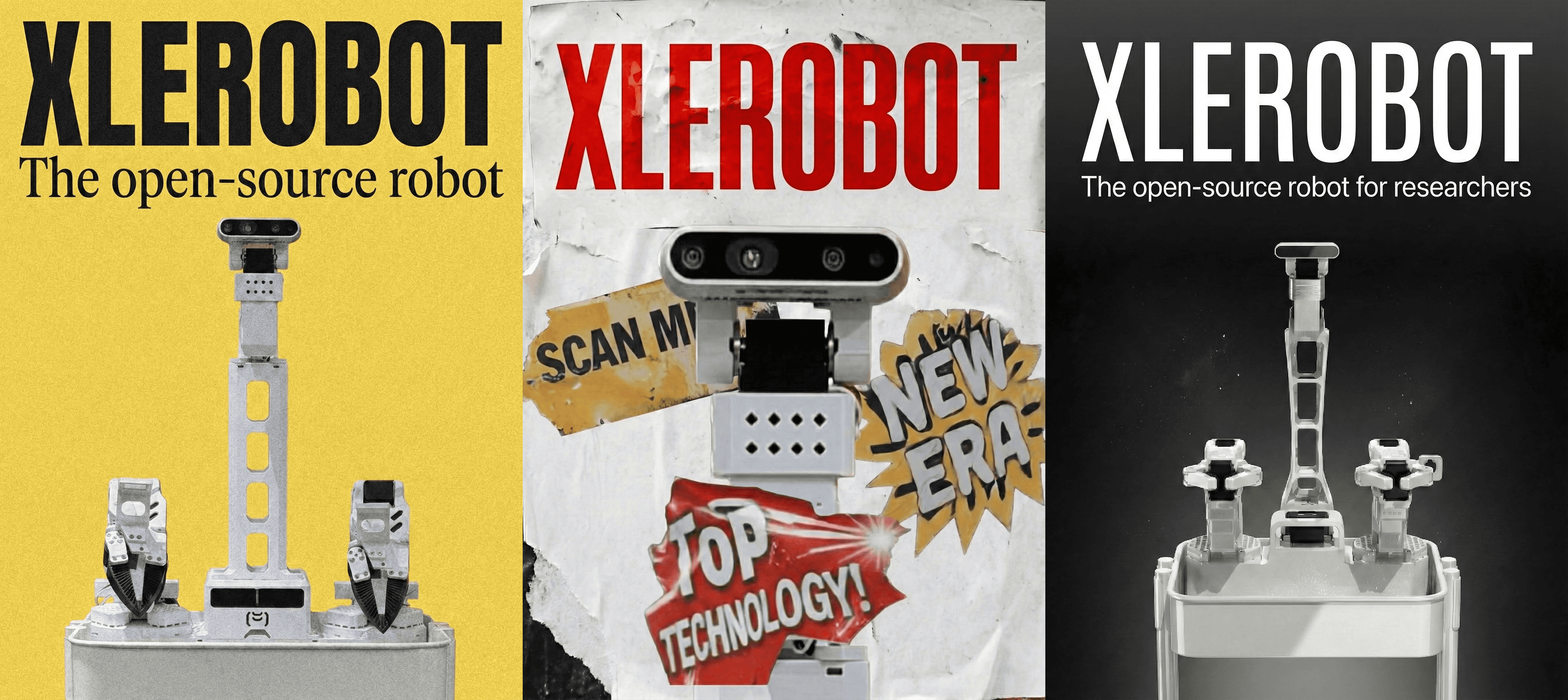
The first open-source robot
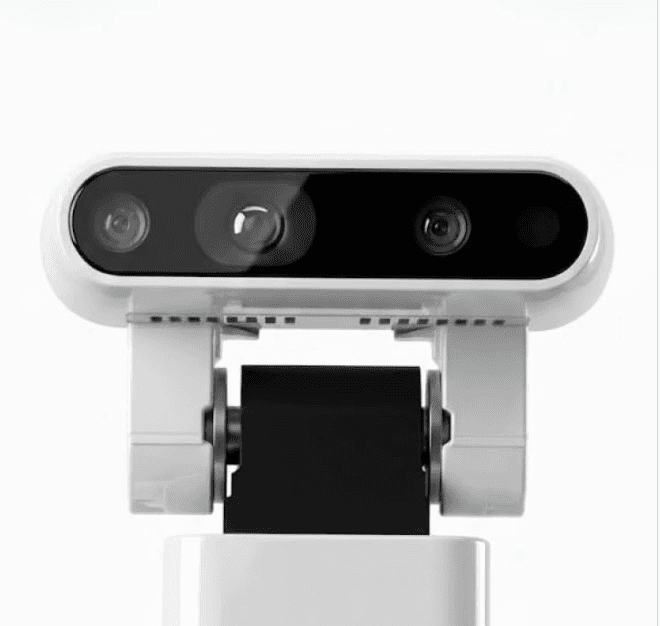
Existing robot platforms have pros and cons. MakerMods focuses on making robots simple, fast, and easy to set up. Unlike complex, enterprise-only systems, it prioritizes mobile control, offline use, and quick setup so anyone can use a robot without learning robotics.

Existing robot platforms have pros and cons. MakerMods focuses on making robots simple, fast, and easy to set up. Unlike complex, enterprise-only systems, it prioritizes mobile control, offline use, and quick setup so anyone can use a robot without learning robotics.

Competitors

Competitors

MakerMods

MakerMods

Sunday

Sunday

1X Neo

1X Neo

Unitree

Unitree

Figure 03

Figure 03

LimX

LimX

Cost

Cost

$999

$999

$10,000

$10,000

$20,000

$20,000

$4,900

$4,900

$20,000

$20,000

$20,000

$20,000

Market

Market

Consumer &

Enterprise

Consumer &

Enterprise

Consumer

Consumer

Consumer

Consumer

Enterprise

Enterprise

Enterprise

Enterprise

Enterprise

Enterprise

AI

Works on

phones

Remembers

who you are

Works

offline

Available

now

Open

source

Strengths

Strengths

  • Voice-native

  • Offline use

  • Low-cost

  • Quick setup

  • Auto-dock

  • Trainable

  • Easy to use

  • Pretty design

  • Mobile app

  • Large team

  • Enterprise-ready

  • More affordable

  • Fastest movements

  • Diverse tasks

  • Large team

  • Enterprise-ready

  • Strong and durable frame

Weaknesses

Weaknesses

  • No auto-dock

  • Sparse docs

  • Slow movement

  • Home only

  • Wheels; no legs

  • Conceptual

  • Slow

  • Home only

  • Complicated setup

  • Late shipping

  • Requires computer

  • Internal-only; no sales

  • Complicated setup

  • Exclusive access

  • Complicated setup

  • Exclusive access

DESIGN

Prototyping improved collaboration and user experience
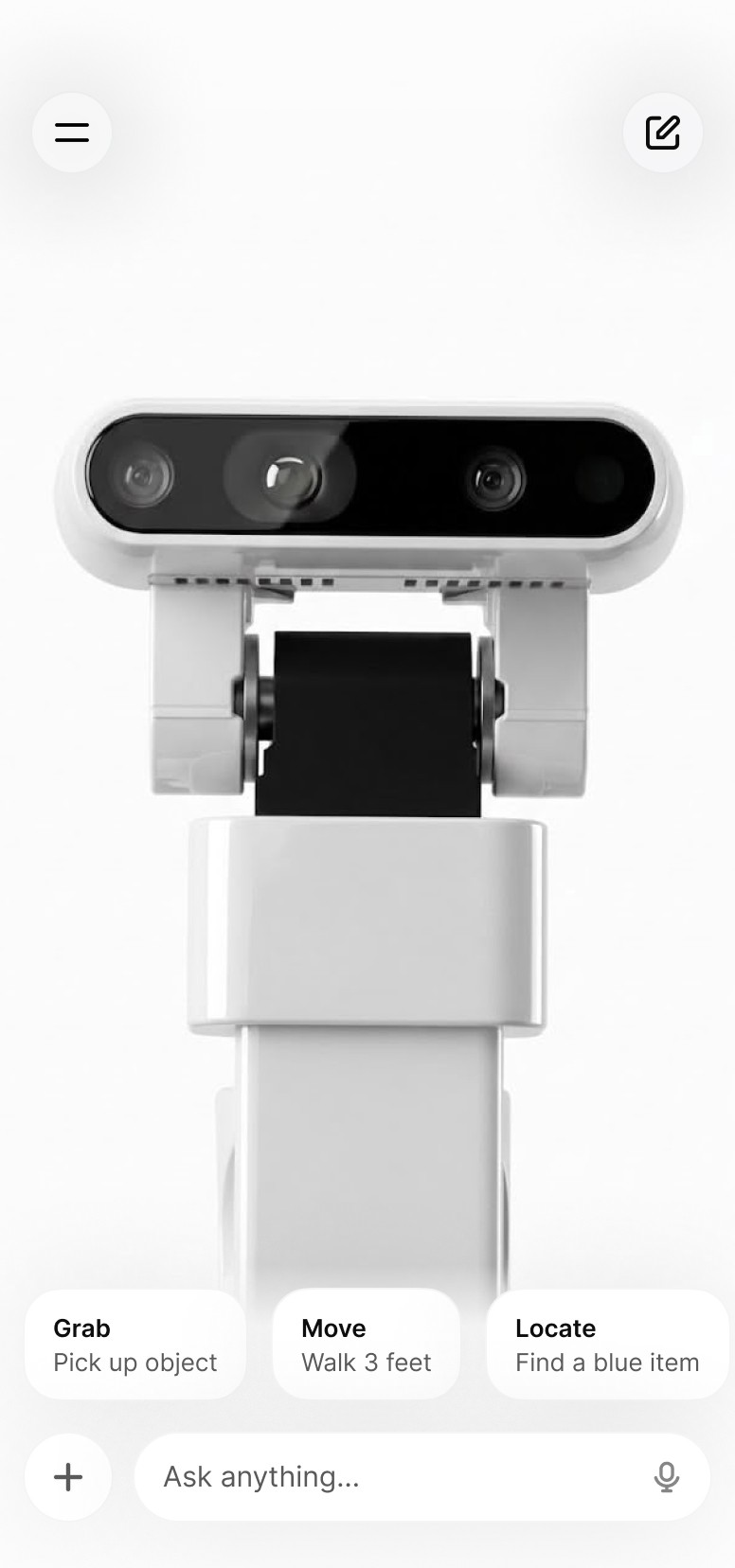
We skipped wireframes, going straight to high-fidelity prototypes to move fast. AI reduced build time from weeks to minutes, letting us test real features early to focus on team communication and alignment.

We skipped wireframes, going straight to high-fidelity prototypes to move fast. AI reduced build time from weeks to minutes, letting us test real features early to focus on team communication and alignment.

Home: Start a new chat or get suggestions.

Home: Start a new chat or get suggestions.

Chat: Ask anything with natural language.

Chat: Ask anything with natural language.

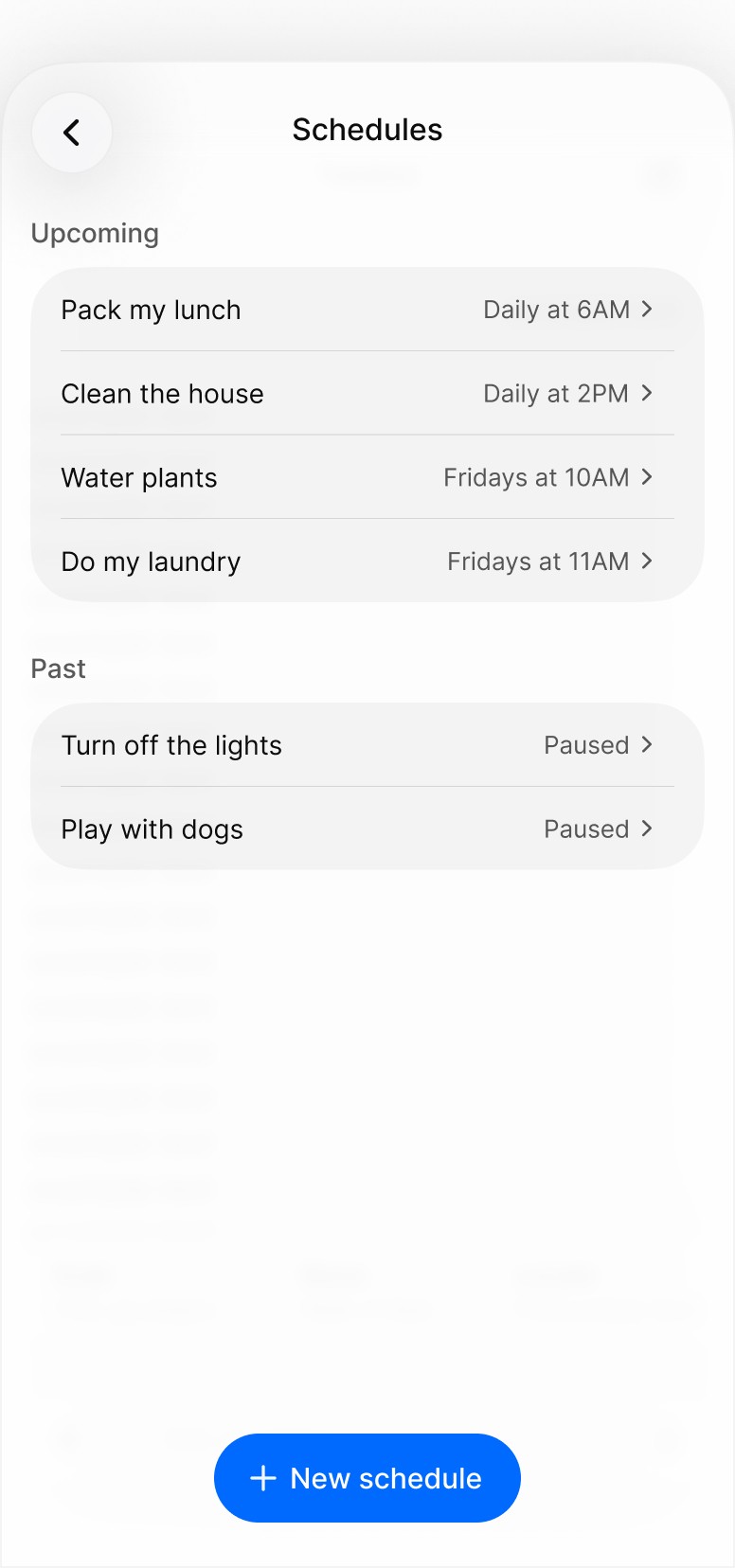
Schedule: Automate tasks for your schedule.

Schedule: Automate tasks for your schedule.

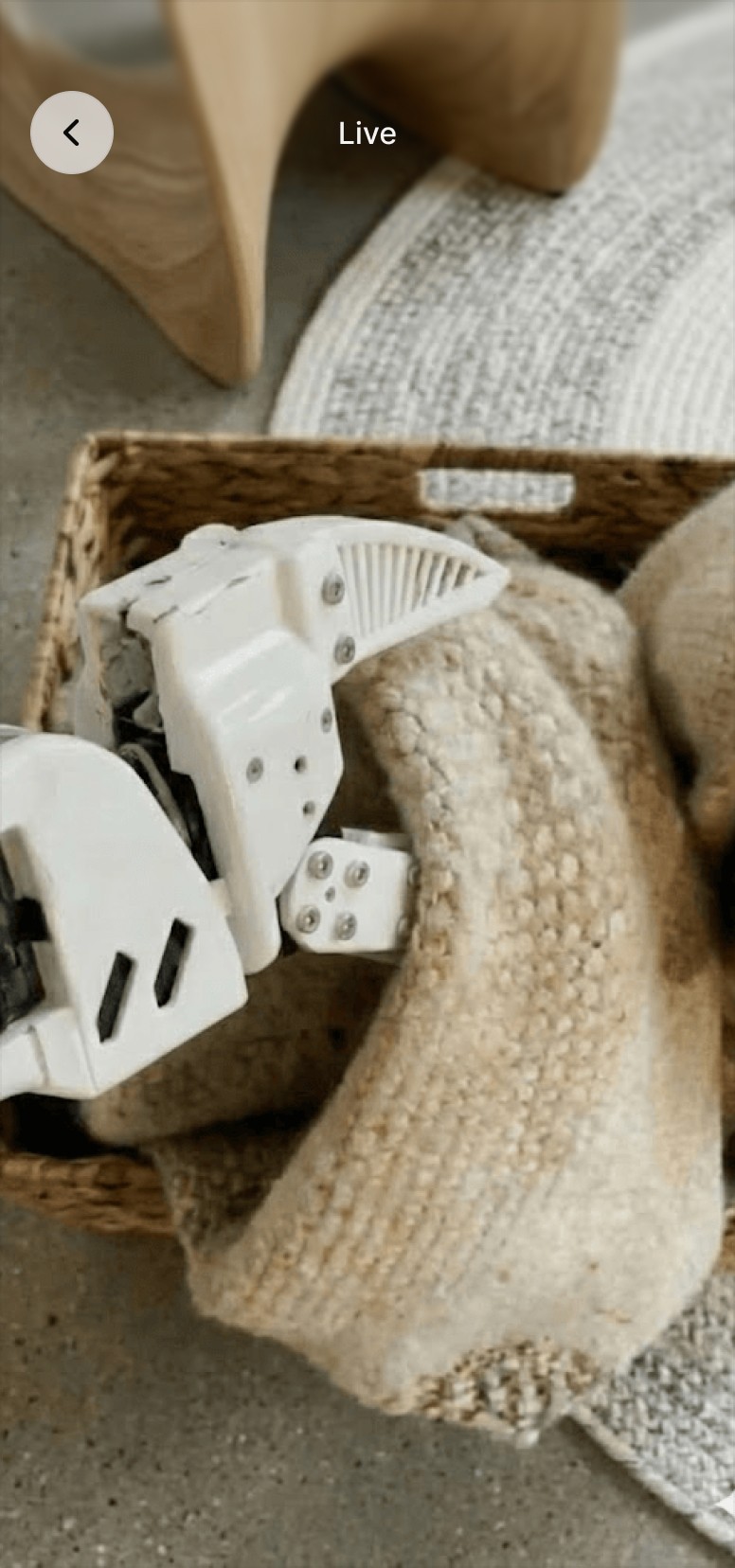
Live Feed: Watch your robot do chores from anywhere.

Live Feed: Watch your robot do chores from anywhere.

PRODUCT STRATEGY

PRODUCT STRATEGY

Inventing the easiest way to use robots

The strategy was simple: if controlling a robot is faster, more fun, and more reliable than existing tools, users won’t go back.

  • Meet users where they are: mobile-first, voice-first, no special setup

  • Low mental load: powerful capabilities without exposing complexity

  • Instant reward: every action produces visible, real-world feedback

  • Minimal friction: remove steps that cause people to abandon hardware products


The goal was to make robots feel less like machines and more like helpful assistants.

The strategy was simple: if controlling a robot is faster, more fun, and more reliable than existing tools, users won’t go back.

  • Meet users where they are: mobile-first, voice-first, no special setup

  • Low mental load: powerful capabilities without exposing complexity

  • Instant reward: every action produces visible, real-world feedback

  • Minimal friction: remove steps that cause people to abandon hardware products


The goal was to make robots feel less like machines and more like helpful assistants.

CONSTRAINTS

CONSTRAINTS

  • Cost: Used free AI models only. No paid OpenAI or Anthropic APIs. Required efficient usage of on-device computer.

  • Time to market: Robotics is moving fast. Shipping early mattered more than shipping perfect. We prioritized speed to establish mindshare before competitors.

  • Before launch, similar apps were released making production time essential to acquire users before competition does.

  • Speed vs. Accuracy: Chose more accurate AI models over fast for a more reliable user experience.

  • Cloud: Ran core logic on-device. Cloud only handled API calls and key storage. Analytics were tracked using PostHog and Slack for real-time visibility.

  • Cost: Used free AI models only. No paid OpenAI or Anthropic APIs. Required efficient usage of on-device computer.

  • Time to market: Robotics is moving fast. Shipping early mattered more than shipping perfect. We prioritized speed to establish mindshare before competitors.

  • Before launch, similar apps were released making production time essential to acquire users before competition does.

  • Speed vs. Accuracy: Chose more accurate AI models over fast for a more reliable user experience.

  • Cloud: Ran core logic on-device. Cloud only handled API calls and key storage. Analytics were tracked using PostHog and Slack for real-time visibility.

MINIMUM LOVABLE PRODUCT

Shipping features customers love

Shipping features customers love

Science beaker
Calculator

Instead of shipping a sloppy MVP, we focused on a Minimum Lovable Product; something users would immediately enjoy interacting with.


Core features: The highest-impact use cases customers would love on day one.

  • Voice-first control: Hands-free robot control using natural language.

  • One-tap actions: Instant access to common robot tasks.

  • Scheduling: Run tasks automatically at set times.

  • Live feedback: Real-time updates as robots move and work.

  • Memory: Remembers your preferences using your account.


Features that shipped later:

  • MCP support: AI agents that you can sync to any app that support MCPs

  • Dashboards: Monitoring and usage insights

  • Single-Sign On: Enterprise-grade SSO


Why this worked
Shipping an MLP allowed us to launch faster than competitors, validate with real users, and iterate while the product was still differentiated in the market.

Instead of shipping a sloppy MVP, we focused on a Minimum Lovable Product; something users would immediately enjoy interacting with.


Core features: The highest-impact use cases customers would love on day one.

  • Voice-first control: Hands-free robot control using natural language.

  • One-tap actions: Instant access to common robot tasks.

  • Scheduling: Run tasks automatically at set times.

  • Live feedback: Real-time updates as robots move and work.

  • Memory: Remembers your preferences using your account.


Features that shipped later:

  • MCP support: AI agents that you can sync to any app that support MCPs

  • Dashboards: Monitoring and usage insights

  • Single-Sign On: Enterprise-grade SSO


Why this worked
Shipping an MLP allowed us to launch faster than competitors, validate with real users, and iterate while the product was still differentiated in the market.

DATA ANALYTICS

Usability testing and validation to improve customer satisfaction

Usability testing and validation to improve customer satisfaction

We avoided formal usability labs and instead tested continuously with real users interacting with real robots. Feedback came directly from everyday use, which helped us quickly identify customer concerns.


In production, we tracked:

  • Clicks and scrolls

  • Automations

  • Task accuracy

  • Errors


Tools used:

  • PostHog MCP

  • Slack

  • Microsoft Clarity


These insights allowed us to improve features users loved and fix issues quickly.
USER EXPERIENCE

USER EXPERIENCE

A robot anyone can use and customize

A robot anyone can use and customize

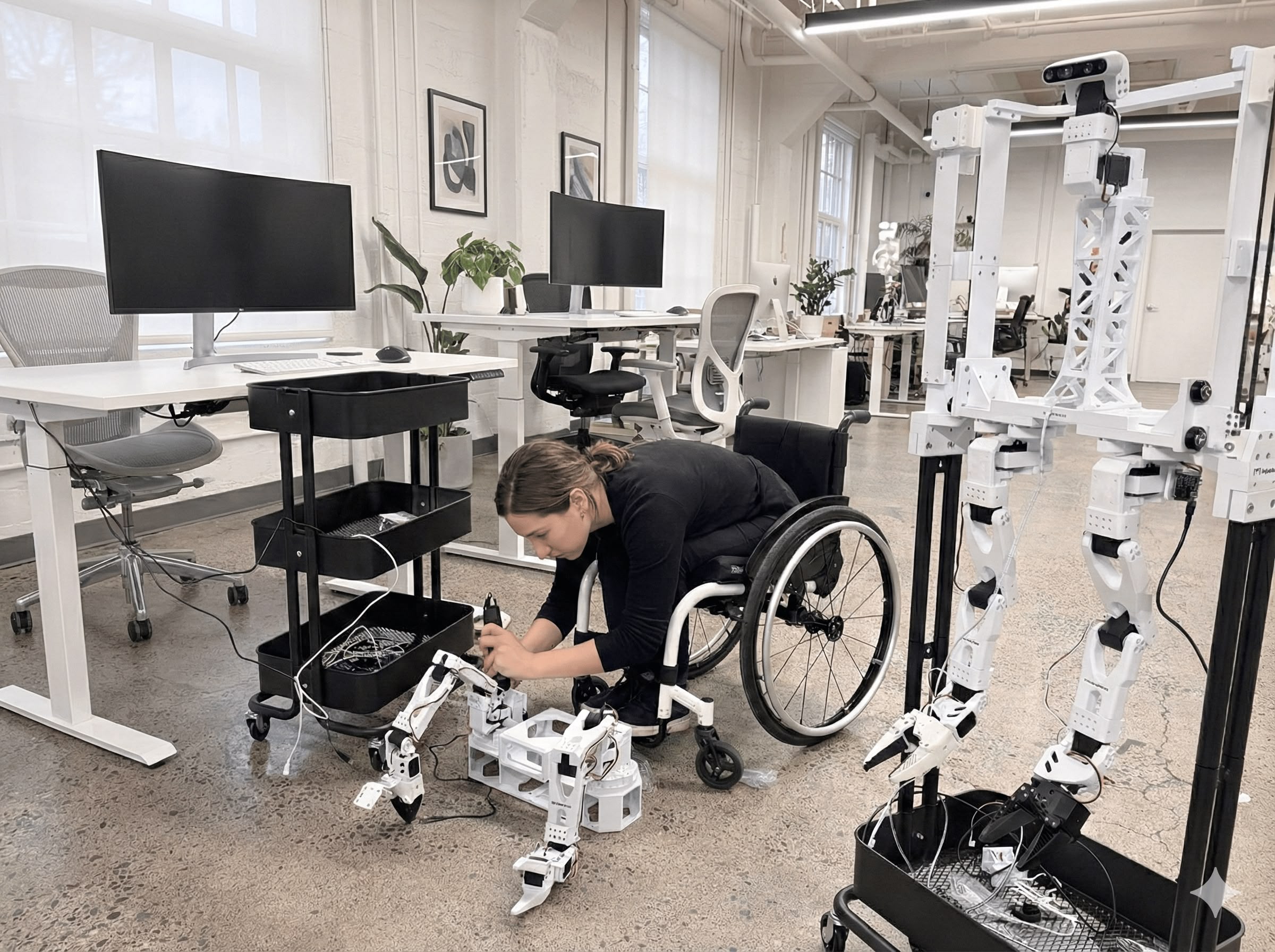
Accessibility is a core requirement. We created a calm and easy to use system for customers with various impairments and challenges.


  • Visual: I implemented high-contrast colors, ARIA labels, and tab index to buttons.

  • Motor: I designed larger touch targets and adequate spacing between elements.

  • Auditory: I created live captions and gen AI audio descriptions.

  • Cognitive: I incorporated low-saturation colors, autocompleted searches, an adjustable color theme, maintained a familiar layout and navigation, and added visual feedback to interactions.

Accessibility is a core requirement. We created a calm and easy to use system for customers with various impairments and challenges.


  • Visual: I implemented high-contrast colors, ARIA labels, and tab index to buttons.

  • Motor: I designed larger touch targets and adequate spacing between elements.

  • Auditory: I created live captions and gen AI audio descriptions.

  • Cognitive: I incorporated low-saturation colors, autocompleted searches, an adjustable color theme, maintained a familiar layout and navigation, and added visual feedback to interactions.

Results

Results

MakerMods reached early, consistent usage as users began relying on robots for daily tasks and scheduled routines. Real-time control, voice commands, and automation quickly became the most-used features, validating demand for simple, app-based robot control. User feedback consistently emphasized that the product felt approachable, fast, and usable without technical knowledge, proving the app lowered the barrier to owning and using a robot.

Challenges and insights

Challenges and insights

Building for physical robots surfaced unique product challenges:

  • Shipping fast without overbuilding: We focused the team on a small set of core features customers would love to ship fast and stay ahead of competitors.

  • Earning trust early: Robots act in the real world. I made sure the app clearly showed what the robot was doing so customers felt comfortable relying on it.

  • Inventing something new but familiar: New apps can be overwhelming. We simplified flows, highlighted primary actions, and removed visual noise to to create an unforgettable interface that is easy to use.
MakerMods

Open

Ask about Logan